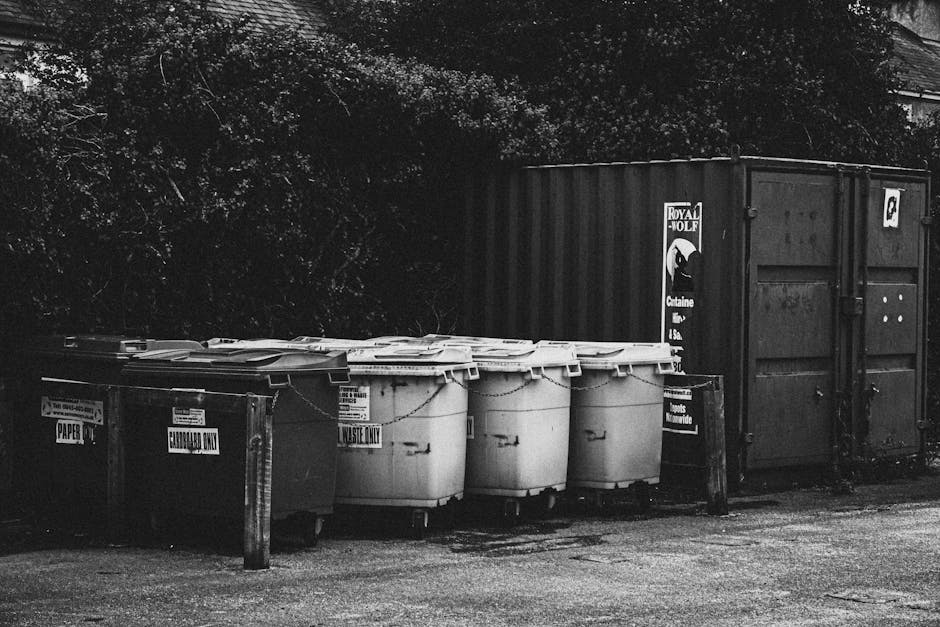
Camberwell Waste Disposal Rules: Avoid Council Fines

If you live, move, rent, or run a business in Camberwell, waste disposal can get awkward fast. One wrong bag left beside a full bin, a sofa dumped on the pavement, or a skip placed without the right permission can turn into a council complaint or a fine. The good news? Once you understand Camberwell Waste Disposal Rules: Avoid Council Fines is really about, it becomes much easier to stay on the right side of things. This guide breaks down the practical rules, the common slip-ups, and the sensible steps that keep waste moving legally, safely, and without unnecessary stress.
Let's face it: nobody wants to spend a Saturday arguing over a missed collection or wondering whether that old wardrobe can just be left out. So we'll keep this plain-English, grounded, and useful. You'll get the essentials, the best practices, and the sort of local awareness that saves time later.
Why Camberwell Waste Disposal Rules: Avoid Council Fines Matters
Waste rules matter because they protect shared streets, keep pavements usable, reduce vermin risk, and stop fly-tipping from creeping into everyday life. In a place like Camberwell, where roads can be busy and frontages often tight, one badly handled pile of rubbish can create a nuisance for neighbours almost immediately. You see it most often after moves, refurbishments, or garden clear-outs. People are rushing, boxes are everywhere, and suddenly the bin day routine gets forgotten. That's when avoidable problems start.
There's also a very practical side to this. Council fines and enforcement action are often tied to careless disposal, presenting waste outside the correct collection window, or leaving items in the wrong place. It may seem minor in the moment. It isn't, really. A small mistake can turn into a bigger bill, plus the hassle of sorting it all out afterwards.
If you're planning a move or clearing out bulky items, it helps to think ahead rather than react after the fact. That is where services such as man and van support or a wider removal service can be useful, because rubbish, packing waste, and leftover furniture can be managed more systematically instead of being left to chance. Not glamorous, but effective.
Expert summary: The safest way to avoid council fines is simple: separate waste properly, check collection expectations before putting anything out, and use the right disposal route for bulky or awkward items.
How Camberwell Waste Disposal Rules: Avoid Council Fines Works
At a practical level, waste rules usually come down to three questions: what you're throwing away, where you're putting it, and who is responsible for removing it. Household rubbish, recycling, garden waste, and bulky waste do not all follow the same route. That sounds obvious until you are actually standing there with a cracked table leg in one hand and a black bag in the other, trying to decide what happens next.
The process generally works like this:
- Identify the waste type. Is it general household waste, recycling, bulky furniture, electrical items, or something that may need specialist handling?
- Use the right container or collection route. Mixed waste placed in recycling, overfilled bags, and loose rubbish beside bins are common triggers for complaints.
- Respect collection timing and placement. Items should be out only when appropriate, not permanently left on the street or block entrance.
- Arrange special disposal when needed. Large items, refurbishment debris, or office clearances may need a different approach.
- Keep records if someone else is handling disposal. If a mover, landlord, or contractor is involved, know who is meant to take what away.
For example, if you are moving house and have a pile of broken shelving, old lamps, wrapping material, and a mattress, it is rarely sensible to treat everything as one bundle. Better to separate what can be reused, recycled, or removed professionally. If you need packing help too, a service like packing and unpacking support can reduce the amount of waste you create in the first place. That matters more than people think.
One more thing: if waste is left on public land, not just inside your home or yard, responsibility can become messy fast. Shared spaces are where problems usually begin. A bag in the wrong spot may seem harmless at 8 a.m.; by lunchtime it can be an eyesore and, worse, a reportable issue.
Key Benefits and Practical Advantages
Following Camberwell waste disposal rules is not only about avoiding penalties. It makes day-to-day life easier, especially during busy periods. Here's the real-world value.
- Fewer fines and complaints: The obvious one, but still the most important.
- Cleaner streets and shared entrances: This helps everyone, including neighbours and property managers.
- Less last-minute panic: If you already know the process, you are not scrambling on collection day.
- Better moving-day coordination: Waste does not get mixed up with important belongings.
- Lower chance of missed collections: Correct sorting and placement reduces avoidable rejections.
- Safer handling: Sharp, heavy, or awkward items are less likely to cause injury when managed properly.
There's another benefit people overlook: good disposal habits reduce stress. Sounds small, but once a property starts filling with bags, cardboard, and old furniture, the whole space feels heavier. You can almost hear the room getting cluttered. Taking waste out in a controlled way makes a noticeable difference, especially before a move-out inspection or a home handover.
For larger clearances, it can help to use a furniture pick up arrangement instead of trying to shift everything yourself. If you are handling a full relocation, a broader home moves service can also help keep disposal, transport, and packing in sync rather than scattered across different jobs.
Who This Is For and When It Makes Sense
This topic matters to more people than you might expect. If you live in Camberwell, manage property here, or handle a move into or out of the area, the rules affect you in a practical way. It also matters if you are a landlord, tenant, homeowner, shop owner, office manager, or anyone clearing out a building.
It makes particular sense when:
- you are moving house and have unwanted items to remove
- you have just renovated and need to dispose of packaging, offcuts, or old fixtures
- you are emptying a rental property between tenancies
- you are clearing office furniture or archive waste
- you need to dispose of bulky furniture without blocking access
- you are trying to avoid fly-tipping risks and keep a paper trail
Businesses need a slightly stricter mindset because commercial waste often creates more of it, and the responsibility is easier to track. If that sounds familiar, a structured commercial moves or office removals arrangement can make waste separation much cleaner. It does not have to be complicated, just organised.
And if you are dealing with heavier items, awkward staircases, or multiple stops, you may decide a man with van option is easier than trying to squeeze everything into a standard car run. Truth be told, that's often the difference between a tidy job and a miserable one.
Step-by-Step Guidance
Here is a simple way to handle waste in Camberwell without drifting into fine territory.
- Start early. Do not wait until the final evening before a move or clearance. Waste always takes longer than you think.
- Sort every item. Separate general waste, recycling, reusable items, and bulky pieces. Keep anything uncertain to one side.
- Check what can be reused or donated. A surprisingly large amount of "waste" is still usable. A chair with a scuffed leg might be repairable, for instance.
- Book the right removal route. Use the appropriate collection or transport solution instead of improvising. If you need help with the lifting and vehicle side, consider man and van removals or a broader removal company option.
- Bundle and label waste clearly. Cardboard with cardboard, recyclable items together, and anything hazardous or electrical apart from the rest.
- Place items correctly. Keep waste where it should be until collection or transport. Do not block pavements, access paths, or shared entrances.
- Confirm what has gone and what remains. Before leaving a property, do one last walk-through. This catches the forgotten stuff, which is always hiding in a corner somehow.
If you are managing a larger move, pairing the clean-up with house removals or local removals help can simplify the day. The main aim is not speed for its own sake. It is control.
Expert Tips for Better Results
Here are the small, practical habits that make a surprisingly big difference.
- Keep a "maybe" pile separate. If you are not sure whether something can be recycled or needs special handling, do not toss it into the nearest bag.
- Use flat packs wisely. Break down cardboard boxes early. They take up far less space, and you avoid that awkward, flapping tower by the door.
- Plan around access. Narrow stairwells, parking restrictions, and shared hallways can slow everything down. That can matter more than the weight of the items.
- Protect shared spaces. Use covers, doormats, or a simple staging area to stop dirt and splinters from spreading.
- Ask about insurance. If someone else is removing items, it is sensible to understand how damage or breakage is handled. A reputable provider should be clear about this. You can review insurance and safety information before booking.
- Think about sustainability early. Reuse and recycling are easiest when considered before the items are piled up by the door.
In our experience, the calmest waste jobs are the ones where the sorting happens before the lifting. Sounds obvious. Yet it gets skipped all the time. A little prep goes a long way.
If you need extra support getting items out without damaging walls or stair rails, a team offering movers or removal services can be the right fit, especially when the job is part disposal, part relocation.
Common Mistakes to Avoid
Most waste-related fines and complaints do not happen because people are reckless. They happen because people are in a hurry. That is the honest truth.
- Leaving rubbish out too early: Streets can look untidy quickly, and items may be moved, split open, or reported.
- Mixing recyclables with general waste: This can cause rejected collections or contamination issues.
- Dumping bulky items on the pavement: A sofa or wardrobe left outside is a magnet for complaints.
- Assuming the landlord or mover will deal with everything: Unless it is clearly agreed, responsibility may still sit with you.
- Forgetting about electrical or hazardous items: These often need different treatment from ordinary household rubbish.
- Underestimating how much waste a move creates: Boxing day, wrapping, broken hangers, old shelves, food packaging... it adds up fast.
One sneaky issue is the "I'll deal with it after the move" mindset. Fine in theory. Not so great when keys are handed over and the waste is still sitting there. If the property is empty, the burden gets harder, not easier. Better to clear it before the final handover.
Tools, Resources and Recommendations
You do not need fancy tools for this, but a few simple things make the job cleaner and safer.
- Heavy-duty bags and boxes: Better for splitting waste by type and avoiding tears.
- Marker pens or labels: Handy for identifying what is reusable, recyclable, or scrap.
- Gloves and sturdy footwear: Useful when dealing with broken fittings, splintered wood, or garden waste.
- Tape measure: Helpful for bulky items so you know whether they will fit through doors or into vehicles.
- Online quote or booking pages: For comparing removal help before the day gets chaotic.
For example, if you are deciding whether to clear waste yourself or use help, you may want to check pricing and quotes in advance so you can compare the cost of making multiple DIY trips against a single organised collection. Sometimes the "cheap" option gets expensive after fuel, parking, and time. Happens all the time.
If sustainability is important to you, the company's recycling and sustainability approach is worth reviewing as well. Waste that can be reused or recycled should not be treated like ordinary rubbish if a better route exists.
Law, Compliance, Standards, or Best Practice
Waste disposal in the UK sits within a broader legal and practical framework, and local council rules sit on top of that. The exact details can vary, so the safest approach is to treat local instructions seriously and keep disposal tidy, traceable, and proportionate to the type of waste you have.
The key best-practice principles are straightforward:
- Do not abandon waste in public areas.
- Keep waste on private property until the correct collection or pickup method is arranged.
- Separate recyclable materials where possible.
- Use a licensed, reputable service for larger clearances and transport.
- Keep your own records or confirmation when third parties take waste away.
That last point is easy to overlook. If you are a tenant, a landlord, or a business owner, a simple confirmation can save a lot of awkwardness later. It is not about paperwork for paperwork's sake. It is about showing that the waste was handled properly.
For businesses, compliance is even more important because waste trails, storage habits, and access management can all be reviewed if something goes wrong. If you need a more structured approach for moving or clearance, it may help to work with a removal company that understands careful handling and site access. For home-based jobs, a house movers service may be more appropriate. Different job, different rhythm.
Options, Methods, or Comparison Table
There is usually more than one way to deal with waste, but they are not equally convenient for every situation. Here is a simple comparison.
| Method | Best for | Pros | Watch-outs |
|---|---|---|---|
| Normal household collection | Routine waste and recycling | Simple, familiar, usually low effort | Not suitable for bulky items or mixed clear-outs |
| Bulky item arrangement | Furniture, mattresses, large household items | Useful for awkward objects and one-off clearances | Needs planning and correct placement |
| Man and van removal support | Moves, partial clear-outs, mixed items | Flexible, good for stairs and variable loads | Make sure items are sorted before loading |
| Full removal service | Whole-property moves or larger transitions | Organised, efficient, less lifting for you | Usually best booked ahead, especially on busy dates |
Choosing the right method is usually less about cost alone and more about control, access, and volume. A small flat clear-out may suit a light-touch removal option, while a family move might call for a fuller house removals setup. One size rarely fits all, despite what the internet sometimes suggests.
Case Study or Real-World Example
Here's a realistic scenario. A couple is moving out of a Camberwell flat on a Friday afternoon. They have flat-pack boxes, two broken dining chairs, an old bedside table, wrapping paper, and a bag of random cables. At first, they plan to leave the bulky bits for "later" and deal with the rest on move day. That's where things go sideways.
Instead, they sort the items two days before the move. The cardboard is flattened. Reusable items are separated. The broken furniture is grouped for pickup. The cables are checked and placed with other small electrical waste. On move day, the rooms feel clearer, the exit route is unobstructed, and nothing is left on the pavement. Much calmer. Much better.
It is a small example, but it shows the logic behind Camberwell waste rules in practice: plan early, separate correctly, and use the right removal method. If the couple had tried to rush everything into one last-minute pile, they would probably have created more mess than progress. We've all seen that film before.
For a job like that, a practical man with van removal service can be a sensible middle ground between doing it all yourself and booking a larger move than you need. If the property is part of a longer relocation, combining the move with packing and unpacking services can save more time than you expect.
Practical Checklist
Use this checklist before any clear-out, collection, or move in Camberwell.
- Have you separated general waste, recycling, and bulky items?
- Do you know what must not be left outside early?
- Are any electrical, sharp, or awkward items set aside safely?
- Have you checked access routes, stairs, parking, and lift use?
- Do you know who is responsible for removing each category of waste?
- Have you flattened cardboard and packed small waste neatly?
- Have you avoided mixing materials that could contaminate recycling?
- Is there a final walk-through planned before handover?
- Have you reviewed whether a removal or pickup service would be easier?
- Do you have confirmation or records for any third-party disposal help?
If you can tick most of those off, you are already well ahead of the usual rush-and-hope approach. And honestly, that alone helps keep council problems at bay.
Get a free quote today and see how much you can save.
Conclusion
Camberwell waste disposal rules are not there to make life difficult. They are there to keep streets workable, properties tidy, and disposal safe enough for everyone around you. The easiest way to avoid council fines is to think ahead, separate waste properly, and choose the right disposal route for the job in front of you.
Whether you are moving house, clearing an office, or just trying to get rid of awkward furniture without drama, the same principles apply: plan, sort, and don't leave waste to chance. If you do that, most of the pressure disappears before it ever becomes a problem. Simple, really. Not always easy, but simple.
And if the job feels too big to do neatly on your own, that is not a failure. It just means the sensible choice is to get the right help and keep the whole process clean, calm, and compliant. That's the sort of move that leaves you breathing easier at the end of the day.
Frequently Asked Questions
What are the main Camberwell waste disposal rules I should know?
The main rules are to separate waste properly, use the correct bin or collection route, avoid leaving rubbish in public areas, and arrange special removal for bulky or unusual items. The exact local details can vary, so it is best to follow the collection guidance that applies to your property and waste type.
Can I leave old furniture outside for collection?
Only if it is being collected through the proper route and placed exactly where and when it should be. Leaving furniture out early or dumping it on the pavement can lead to complaints. If in doubt, arrange a proper pickup rather than guessing.
What happens if I put the wrong items in recycling?
Contaminated recycling can be rejected or cause problems for the collection process. It also creates avoidable mess and may bring extra attention to how waste is being handled. A quick sort before bin day is worth the time.
Do renters or landlords carry the waste disposal responsibility?
It depends on the arrangement, but renters should not assume someone else will deal with everything. Landlords may have responsibilities for certain clearances, especially between tenancies, yet it is always best to confirm who is removing what before the property is handed over.
Is it better to book a removal company or do waste trips myself?
For small amounts, DIY may be fine. For bulky items, multiple loads, or time-sensitive moves, a professional option is often easier and less risky. If you want less lifting and less faff, a removal company or removal services can be a better fit.
What should I do with broken electrical items?
Keep them separate from normal rubbish until you know the correct disposal route. Electrical waste often needs different handling from everyday household waste, especially if it contains wiring, batteries, or other components.
How can I avoid council fines during a house move?
Start sorting early, flatten cardboard, separate reusable items, and avoid leaving waste on the street. If there is a lot to remove, use a planned clearance or move service instead of making last-minute assumptions. That one habit alone prevents a lot of headaches.
Are bulky waste collections worth it?
Often, yes. They are especially useful for sofas, mattresses, tables, and other awkward items that do not fit into normal bins or ordinary collection routines. They are usually far less stressful than trying to force bulky waste into a standard disposal plan.
What is the safest way to handle waste in a shared building?
Keep items inside until the correct collection moment, protect shared entrances, and avoid blocking stairs or hallways. In flats and shared houses, courtesy matters as much as compliance. A tidy stairwell is a kinder stairwell.
Can a man and van service help with waste disposal?
Yes, if the service is suited to the type of items you need moving. A man and van arrangement can be useful for mixed loads, smaller clear-outs, or furniture that needs lifting out carefully. It is often a practical middle option.
What should I check before booking waste removal help?
Check the provider's insurance, what they will and won't move, how pricing works, and whether they can handle your access issues. It also helps to ask about timing and whether items need to be sorted before collection. A little clarity upfront saves a lot later.
How do I know if I'm using the right disposal method?
Ask yourself three things: what is the waste, how much of it is there, and where does it need to go? If the answer includes bulky furniture, heavy lifting, or several vehicle loads, a planned removal service is usually more sensible than improvising.