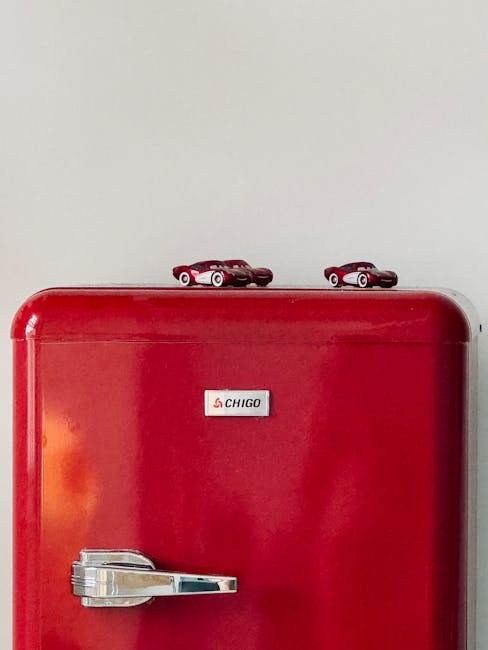
Bulky Item Pickup in Camberwell: Sofa & Fridge Solutions
Posted on 15/05/2026
If you've got a sofa blocking the hallway or a fridge that has finally given up the ghost, you probably already know the feeling: awkward, heavy, and just a bit urgent. Bulky Item Pickup in Camberwell: Sofa & Fridge Solutions is really about making that problem disappear without turning your day upside down. Whether you're clearing a flat near Camberwell Green, replacing white goods in a terraced house, or dealing with a move-out deadline, the right pickup service can save time, reduce stress, and help you avoid the sort of hassle that tends to snowball.
This guide walks through how bulky item collection works, what to expect, what to check before booking, and how to handle common items like sofas and fridges safely and responsibly. You'll also find practical advice on compliance, comparison points, and a simple checklist you can use straight away. Nothing fluffy. Just the stuff that helps.
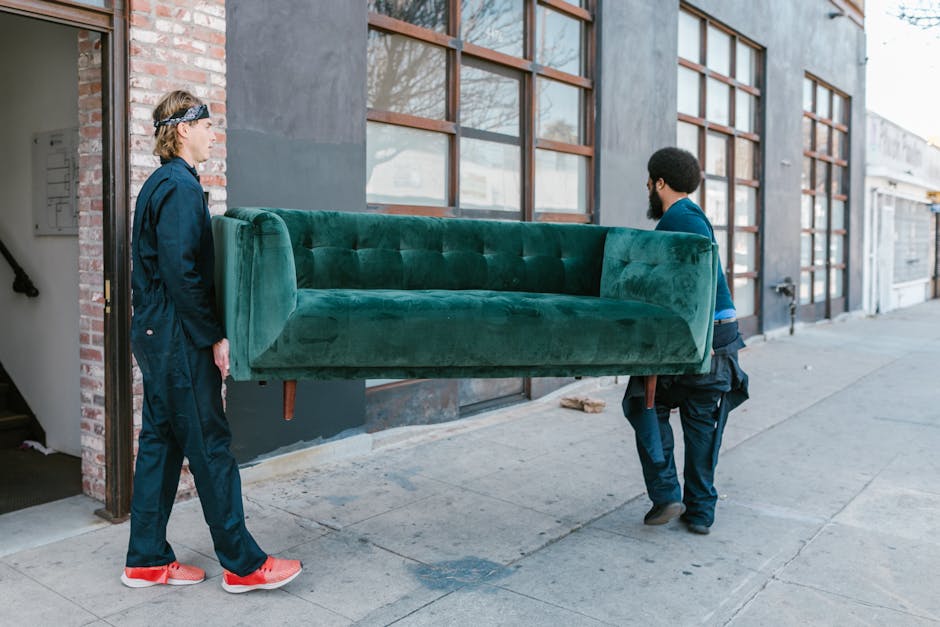
Why Bulky Item Pickup in Camberwell Matters
Large household items create a different kind of problem from regular rubbish. A broken chair can wait. A sofa wedged in a narrow Camden-style? sorry, Camberwell-style hallway, not so much. A fridge is even trickier because it is heavy, awkward to move, and often needs special handling. That is why bulky item pickup matters: it solves the practical problem safely, quickly, and in a way that fits real London living.
In Camberwell, space is often the issue. Shared stairwells, basement flats, tight front gardens, parked cars, and limited loading space all make DIY disposal harder than it sounds. Add a full-sized fridge or a three-seat sofa with a stubborn frame, and you can see why people often decide to bring in a pickup service instead of wrestling with it on a Saturday morning.
There's also the question of what happens next. Many bulky items can be reused, broken down, or sent through the right disposal route, but only if they're handled properly. A decent service should know how to deal with furniture, electrical items, and mixed loads without cutting corners. That matters for convenience, yes, but also for trust.
For readers comparing broader waste solutions, it can help to look at how bulky pickup fits alongside other household services. If you're already sorting a wider clear-out, pages like house clearance services and general waste collection may also be relevant. Sometimes the smartest move is not a one-item pickup at all, but a fuller visit that clears the lot in one go.
How Bulky Item Pickup in Camberwell: Sofa & Fridge Solutions Works
At its simplest, the process is straightforward: you identify the item, confirm access, book a pickup, and have the item removed from your property or kerbside. But the details matter, and the details are where most of the value is.
A typical sofa or fridge pickup usually involves the following steps:
- Item assessment: The provider checks what needs removing, how large it is, whether it can be lifted safely, and whether it contains any special materials or components.
- Access check: Staircases, lifts, tight turns, and front-door width can all change the plan. In real life, the "easy job" is often the one with no stairs and a clear path.
- Scheduling: You book a time that suits you. Some people need same-day help after a delivery fails or a freezer stops working. Others are planning ahead before a tenancy handover.
- Collection: The crew removes the item, often with lifting equipment, protective handling, and careful manoeuvring to avoid damage.
- Sorting and disposal: Where possible, items are separated for reuse, recycling, or compliant disposal. Fridges, in particular, require more attention because of refrigerants and other components.
That last part is easy to overlook, but it is the bit that separates a proper service from a rushed one. A sofa doesn't just vanish into thin air. It needs to be moved, checked, and routed correctly. Same with a fridge. Truth be told, the ugly part of the job is often the part you don't see.
If you're looking to understand capacity and load planning before booking, it can be useful to compare options with mattress pickup or other furniture disposal services. That way you know whether one visit will cover everything or whether splitting jobs makes more sense.
What makes sofa pickup different?
Sofas are bulky but relatively simple compared with electrical appliances. The main issues are size, stair access, and fabric condition. A sofa can often be taken apart, but not always. If it is a recliner, corner unit, or sofa bed, the moving plan may take a bit more care. Loose cushions, snagged upholstery, and narrow turns are the usual troublemakers.
What makes fridge pickup different?
Fridges are heavy, awkward, and potentially hazardous if handled badly. They may contain coolant, glass shelves, and compressor parts. They also need to be emptied, defrosted, and disconnected correctly before collection. A warm fridge with pooled water is nobody's favourite task, but a little prep goes a long way.
Key Benefits and Practical Advantages
The obvious benefit is convenience. But a good bulky item pickup service offers much more than saving you a trip to the tip.
- Less physical strain: You do not need to lift, drag, or balance heavy items down stairs.
- Reduced risk of damage: Professional handling helps protect walls, floors, doors, and the item itself.
- Better time control: A booked pickup is easier to plan around than a last-minute DIY run.
- Improved safety: Large items can cause injury if moved incorrectly. Simple as that.
- Cleaner disposal route: Responsible collection supports reuse and recycling where possible.
- Less disruption: Handy if you are preparing a rental property, clearing a room, or waiting for a replacement delivery.
There is also a quieter benefit: peace of mind. Once that sofa is gone, or the dead fridge is out of the kitchen, the whole room feels different. Airier. More usable. You notice it straight away, especially in smaller Camberwell homes where every square metre counts.
For people managing a larger property reset, the process can be bundled with services such as office clearance or end of tenancy clearance. That is often a better fit when bulky items are just one part of a larger clear-out.
Who This Is For and When It Makes Sense
This kind of pickup is useful for a lot more people than you might think. It is not just for landlords, or people renovating, or anyone who has spectacularly underestimated the weight of a fridge. It is for everyday situations too.
- Homeowners replacing worn-out furniture or appliances
- Tenants leaving a property and needing to remove old items quickly
- Landlords clearing left-behind furniture between lets
- Estate managers dealing with one-off bulky items in shared buildings
- Families making room for new furniture deliveries
- Older residents who should not be expected to move heavy items themselves
- Small businesses disposing of large office or break-room items
It makes sense when the item is too heavy for a normal bin collection, too awkward for a standard car, or too risky to move without help. It also makes sense when your time matters. If you work odd hours, juggle school runs, or simply do not fancy turning your weekend into a lifting exercise, a pickup is usually the cleaner option.
And sometimes the decision is made for you. Maybe the fridge has died overnight. Maybe a sofa was damaged during a move. Maybe a new item is arriving tomorrow morning and the old one needs to be gone before then. That's life, really.
Step-by-Step Guidance
If you want the smoothest possible pickup, a bit of preparation helps a lot. You do not need to make it perfect. Just make it manageable.
- Identify the item clearly. Note the size, type, and condition. A three-seater sofa is not the same as a compact armchair, and a fridge-freezer is not the same as a table-top fridge.
- Check access. Measure doorways, stairs, and tight corners if you suspect the item is a squeeze. If you live in a flat, think about lift access too.
- Prepare the item. Empty the fridge, defrost it if time allows, and disconnect it safely. Remove sofa cushions, loose covers, or detachable parts.
- Clear the route. Move small items, shoes, plants, bins, and anything else that could snag during the lift. One small basket by the hallway can become a giant nuisance, oddly enough.
- Book the pickup. Share honest details about the item and access conditions. It helps the team plan properly.
- Be ready at collection time. Keep phones on, doors accessible, and pets secured.
- Confirm completion. Make sure the item is removed, and ask any final questions about disposal or receipt details if needed.
If there is more than one item, list them all in advance. A fridge plus sofa plus a stack of broken chairs is a different job from a single sofa. The clearer you are at the start, the fewer surprises later on.
Practical summary: Measure, clear the route, describe the item honestly, and allow enough time for safe handling. That simple formula prevents most pickup headaches.
Expert Tips for Better Results
Here's the bit that tends to save people time and stress. Small choices make a big difference.
Measure before you assume
It is easy to assume a sofa will fit through a doorway because "it probably will." Sometimes it does. Sometimes it gets stuck at an awkward angle and the whole thing turns into a mini puzzle. Measure the widest points and compare them with stair turns, hallway width, and front-door clearance. A tape measure is boring, yes, but also useful.
Defrost fridges early
For fridge pickup, defrosting ahead of time helps avoid leaks and makes the item safer to move. A dripping appliance is slippery, messy, and not fun for anyone carrying it downstairs. Leave enough time for the interior to dry out fully if you can.
Take apart what can be taken apart
Remove cushions, legs, glass shelves, drawers, and detachable parts where possible. That reduces weight and gives the crew more flexibility. For a sofa bed or a bulky corner unit, even a small amount of dismantling can make a big difference.
Think about timing with building access
If your building has strict loading times, shared entrances, or a lift that always seems to be out of service at the worst moment, plan around that. Early morning can sometimes be calmer on residential streets, while later in the day may be better if parking is easier. There is no single perfect time, but there is usually a less annoying one.
Choose the right level of service
If your pickup is part of a larger clear-out, it may be more efficient to combine items under a broader service rather than booking one-off removals repeatedly. For mixed household contents, pages like garage clearance and deceased estate clearance may be useful references depending on the situation.

Common Mistakes to Avoid
A lot of bulky item problems are avoidable. To be fair, they usually come from underestimating the job rather than doing anything wildly wrong.
- Booking without measuring: This is the classic mistake. An item that looks manageable in a room can become a beast in a stairwell.
- Forgetting to empty or disconnect appliances: A fridge still full of food, water, or ice creates unnecessary mess.
- Not mentioning stairs or access issues: If a provider arrives expecting a ground-floor lift-in and finds three flights of stairs, everyone loses time.
- Leaving the path cluttered: Shoes, boxes, and side tables become tripping hazards very quickly.
- Assuming every item is handled the same way: Sofas and fridges are both bulky, but they are not identical in handling or disposal.
- Waiting until the last minute: If a delivery is scheduled for tomorrow, book early. Last-minute panic is a terrible planner.
One subtle mistake is not asking about what happens after collection. If you care about reuse or recycling, say so. If you need a receipt, ask for it. If the item is especially heavy or awkward, mention that before anyone turns up with the wrong expectations. Small things, but they help.
Tools, Resources and Recommendations
You do not need a van full of gear for every pickup, but a few simple tools and habits make the job smoother.
- Tape measure: Useful for doorways, stair turns, and item dimensions.
- Gloves: Good for grip and for handling dusty or rough edges.
- Blankets or floor protection: Helpful if the item must be shifted through a tight indoor route.
- Basic screwdriver or hex key: Handy for removing sofa legs or detachable frames.
- Towels and a tray: Especially useful for defrosting a fridge and catching drips.
- Phone photos: A quick photo of the item and access route can save a lot of back-and-forth later.
For households dealing with more than one type of waste, it can also help to think in categories: bulky furniture, white goods, mixed rubbish, and reusable items. That way you can decide whether you need a specialist pickup, a full clearance, or a combination of services. If you are comparing the different household options available, electrical appliance disposal may be a useful related page for fridges and other white goods.
Sometimes the best resource is simply a short prep list on the fridge door. Old-school, maybe. Effective? Absolutely.
Law, Compliance, Standards, or Best Practice
When bulky items are removed in the UK, the important thing is that they are handled responsibly and passed into the correct waste or reuse route. You do not need to know every technical detail, but you should know what good practice looks like.
For example, fridges and similar appliances are not just "big rubbish." They can involve components that need careful handling, so they should be collected by a provider that understands appliance disposal and recycling expectations. Sofas and upholstered furniture may also need sorting in line with current disposal and recovery practices. The exact route can vary depending on condition, material, and whether an item can be reused.
From a customer's point of view, the main compliance questions are simple:
- Is the item being handled safely?
- Is the provider clear about where it goes next?
- Can they deal with electricals or mixed materials properly?
- Are they giving a proper service rather than a vague "we'll sort it out" approach?
It is also wise to be careful with fly-tipping risks. If someone offers suspiciously cheap removal and cannot explain disposal properly, that is a red flag. The cheapest option is not always the best one, and in this case it can turn into your problem if the item is dumped illegally.
Best practice is simple: choose a provider that is transparent, handles items safely, and can explain the disposal process in plain English. If that explanation feels slippery, trust your instinct. Usually it is spot on.
Options, Methods, or Comparison Table
There are a few ways to get rid of a sofa or fridge in Camberwell. The right one depends on access, timing, item condition, and how much work you want to do yourself.
| Method | Best For | Pros | Limitations |
|---|---|---|---|
| Professional bulky item pickup | Heavy sofas, fridges, awkward access, urgent removals | Fast, convenient, safer, less physical effort | Cost depends on item type, access, and volume |
| DIY transport | Single items, easy access, people with van access and lifting help | Can be cheaper if you already have the means | Risk of injury, damage, parking hassle, time-consuming |
| Council-style collection arrangements | Planned household clear-outs where available | Can suit low-urgency situations | May be slower, more limited, or less flexible |
| Reuse or donation routes | Good-condition furniture and working appliances | Extends item life, supports reuse | Not suitable for damaged, unsafe, or very heavy items |
If your sofa is still in decent condition, reuse may be worth considering. If the fridge no longer works, or the sofa is damp, damaged, or heavily worn, disposal is usually the more realistic route. No shame in that. Stuff has a life cycle.
Case Study or Real-World Example
Picture a typical Camberwell flat: second floor, narrow stairwell, decent-sized living room, but not much space to manoeuvre. The resident has a large sofa that will not fit into the lift because, well, there is no lift. At the same time, the kitchen fridge has stopped cooling and needs removing before a replacement arrives the next morning.
In that kind of situation, the smartest move is usually to prepare both items for the same pickup. The sofa cushions are removed, the fridge is emptied and unplugged early, and the hallway is cleared of shoes, bags, and the random side table that always seems to appear in the way. The team arrives, checks access, protects the route where needed, and removes both items in one visit.
What changed the outcome? Not magic. Just decent planning. The resident had measurements ready, the access details were honest, and there was enough time allowed for the awkward bit near the turn on the stairs. The whole thing felt less like a crisis and more like a tidy reset.
That is often how it goes in real life. Once the item is out, you wonder why you stressed about it so much. Then you realise you were right to stress a little. Heavy things are heavy. Funny how that works.
Practical Checklist
Use this simple checklist before your bulky item pickup in Camberwell:
- Measure the sofa or fridge, including height, width, and any fixed protrusions
- Check doorway, stair, and hallway clearance
- Confirm whether lifts or loading access are available
- Empty the fridge and defrost it if possible
- Remove loose sofa parts, cushions, or shelves
- Clear the route from the item to the exit
- Secure pets and keep children away from the moving path
- Share accurate access details when booking
- Ask how the item will be handled after collection
- Prepare any paperwork, photos, or instructions you may need
Quick tip: If you are unsure whether the item will fit through a doorway or stair bend, take a photo and compare it with the measurements. It is a small step, but it often saves a big headache.
Conclusion
Bulky Item Pickup in Camberwell: Sofa & Fridge Solutions is really about making a difficult job feel manageable. When you have a heavy sofa, a dead fridge, or both, the right approach is part preparation and part choosing a service that understands the practical realities of London homes. Narrow stairs, tight hallways, parking issues, and time pressure are all part of the picture.
The good news is that with a little planning, the process becomes far simpler than most people expect. Measure the item, clear the route, be honest about access, and choose a provider that handles disposal responsibly. That is the whole game, really. Not glamorous, but effective.
If you're clearing out a single appliance or sorting a full room of bulky furniture, the next step is usually to get a proper quote and compare your options with confidence.
Get a free quote today and see how much you can save.
And once the old sofa or fridge is finally out of the way, you get that rare, satisfying moment where the room feels lighter. It's a small win, but sometimes those are the ones that matter most.