Camberwell Moving Suspensions: Southwark Permit Guide
Posted on 12/07/2026
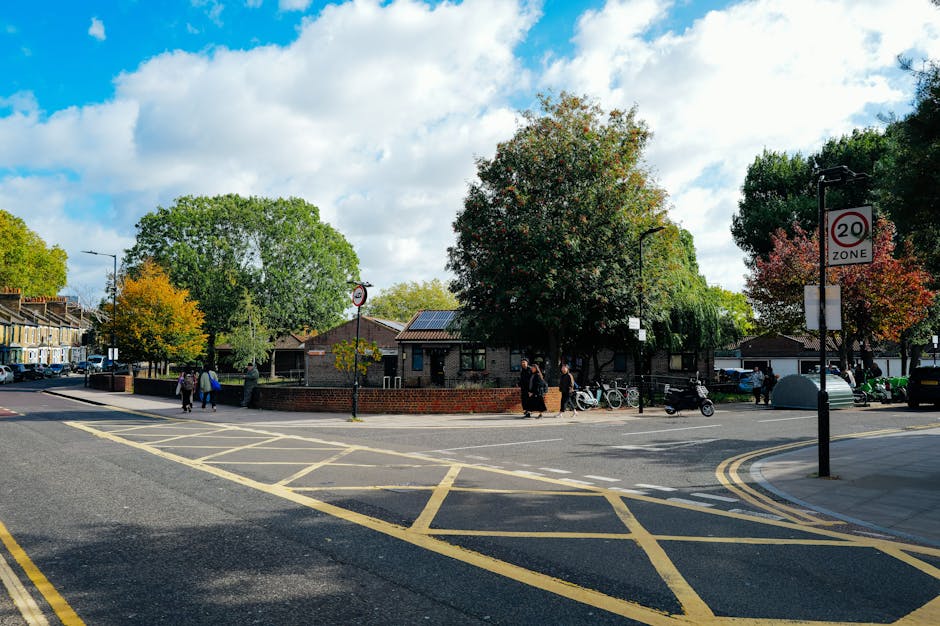
If you are trying to move in Camberwell and keep hearing about suspensions, permits, cones, or parking bay rules, you are not alone. The whole thing can feel oddly technical at the exact moment you need simple answers. This guide to Camberwell Moving Suspensions: Southwark Permit Guide breaks it down in plain English so you can plan a move without last-minute parking chaos, avoid unnecessary delays, and understand what the council expects in SE5.
In practice, the biggest issues are usually not the boxes or the lifting. It is the access: where the van can stop, how long it can stay, whether a bay is suspended, and what happens if you turn up on moving day and the street is tighter than you remembered. Let's face it, one bad parking assumption can throw the whole morning off. Below, you will find the steps, the judgement calls, and the practical checks that make a Southwark move feel a lot more manageable.
Why Camberwell Moving Suspensions: Southwark Permit Guide Matters
A moving suspension is not just a piece of red tape. It is often the difference between a smooth loading slot and a van circling for twenty minutes while everyone gets more stressed by the minute. In Camberwell, where streets can be narrow, bays can be busy, and residential parking is frequently tight, understanding suspension rules matters because your move depends on access more than almost anything else.
There is also the practical side. A suspension can affect where your van stops, how the loading area is arranged, and whether neighbours or other drivers have been given notice that a bay will be unavailable. If you are booking a removals team, it is worth checking the parking side early, not after the packing is done. You will notice the difference immediately on the day: less double-handling, fewer awkward lifts, fewer "just give me a second" moments while the driver hunts for a legal space.
For local moves, the permit issue often sits alongside the bigger question of move planning. A well-timed booking, sensible packing, and a realistic loading plan matter just as much. If you want a broader sense of how to reduce stress before moving day, this stress-reduction guide is a useful companion read, and so is the practical advice in the house packing checklist.
Expert summary: In Camberwell, parking access is part of moving logistics, not an afterthought. If the van cannot stop safely and legally, every other part of the move becomes harder.
How Camberwell Moving Suspensions: Southwark Permit Guide Works
In simple terms, a parking suspension temporarily removes normal parking use from a bay, section of street, or loading area. Southwark uses suspensions to manage roadworks, removals, scaffolding, deliveries, special access needs, and other situations where the space needs to stay clear. For moving day, that means you may need to arrange a suspension if your van must use a bay that is normally occupied or tightly controlled.
The exact process can vary depending on the street, the type of bay, and the timing of your move. That is why planning is so important. You are not just asking, "Can I park here?" You are asking, "Can I create a predictable loading zone here long enough to complete the move without interruption?"
In a typical Camberwell move, the practical chain looks something like this:
- Check your pickup street and destination street for parking restrictions.
- Confirm whether the vehicle needs a resident bay, shared-use bay, single-yellow loading arrangement, or another controlled space.
- Find out whether a suspension is needed to secure the loading area.
- Build the move timing around the approved parking window, not the other way around.
- Keep a copy of any confirmation or permit details on hand for moving day.
That may sound obvious, but many people only look at the front door, not the kerb. To be fair, once you start moving sofas and wardrobes, the kerb becomes very important indeed.
If your route includes a tricky road layout, it can help to compare the wider moving options. For example, these Camberwell New Road access tips show how access details affect the entire move, and these narrow-street moving hacks are especially useful if you are dealing with tight residential roads.
Key Benefits and Practical Advantages
Getting the parking side right is not glamorous, but it pays off quickly. A proper suspension or permit setup can reduce delays, protect your goods from rushed handling, and help the movers work safely. That matters more than people expect. The van might be the biggest visible item in the process, yet the space around the van is what determines whether everything flows.
- Faster loading and unloading: The closer the van is to the entrance, the less carrying is needed.
- Lower risk of damage: Fewer steps across pavements and less waiting usually means fewer bumps and scrapes.
- Better crew efficiency: Movers can work in a steady rhythm instead of starting and stopping.
- Less stress for you: No one enjoys watching a booked van get displaced by another car.
- Cleaner compliance: A planned setup is usually much easier to manage than improvising on the day.
There is also a money angle, though it is easy to overlook. If access is poor, the move may take longer. Longer jobs can mean more labour time, more fatigue, and a greater chance of needing extra handling. Good parking planning can therefore save more than just nerves. That is why many customers pair access planning with a clear price discussion through the company's pricing and quotes information before they commit.
For heavy or awkward items, the benefit is even clearer. If you are dealing with a sofa, piano, mattress, or fridge, every unnecessary metre counts. The closer the van can get, the better.
Who This Is For and When It Makes Sense
This guide is for anyone moving in or out of Camberwell where parking is limited, time is tight, or the street layout is not exactly van-friendly. That covers more people than you might think. Flat moves, student moves, family homes, office relocations, and last-minute bookings all run into the same issue: access.
You are especially likely to need a suspension or permit plan if:
- you live on a narrow street with little turning space
- your building has no private driveway or forecourt
- the loading area is usually occupied by resident parking
- you are moving bulky items such as wardrobes, appliances, or a piano
- you are moving during a busy weekday when parking demand is high
- you are organising a same-day or short-notice move
Students and flat-sharers often underestimate this part because the actual number of items can seem small. Then the box pile grows, the stairs are steeper than expected, and the street outside fills up. If that sounds familiar, the student flat removals guide is worth a look. For smaller moves, student removals in Camberwell can be a sensible fit when you do not need a full-scale removals setup.
Office and business moves have their own challenge: timing. When teams need to keep disruption low, access planning becomes part of business continuity, even if nobody calls it that in the meeting. A simple thing, but a big thing.
Step-by-Step Guidance
Here is the most practical way to handle a Camberwell move where suspensions or parking permissions may be needed. The goal is not perfection. It is reducing avoidable problems.
1. Map both addresses properly
Start with the pickup and delivery streets. Look at the curbside conditions, not just the postcode. Is there a bay outside? Are there single yellow lines? Is the road too tight for a large van to stop without blocking traffic? If the answer is "maybe," treat it as a risk and check it properly.
2. Decide what type of move you are actually doing
A one-bed flat move, a family house move, and a small office relocation all create different access needs. A lighter load may fit into a tighter window. A heavier move may need more time, more crew, and more protection for furniture. If you are unsure, compare your situation with the practical scope described on the services overview page.
3. Identify whether the van needs the space kept clear
Sometimes you do not need a full suspension; sometimes you simply need a lawful loading arrangement. The distinction matters. A suspension is a more deliberate measure, and it is usually used when the normal parking arrangement would not work for the duration of the move.
4. Book the move around the access window
Do not assume the crew can "just wait around." That is how mornings get messy. If the permit or suspension only gives you a narrow loading window, use it well. Have the boxes ready, the keys ready, and the route to the front door cleared. The day can feel a bit like a relay race if you do it well.
5. Prepare the property inside and outside
Inside, make sure large items are separated from small loose items. Outside, keep the entrance path free of bins, bikes, and anything else that can snag the move. For preparation ideas, the decluttering guide can help if your move is getting crowded by things you no longer want to keep.
6. Keep documentation accessible
Whether it is a permit confirmation, booking email, or internal job note, keep the important details easy to reach. You do not want to be hunting through your inbox while the driver is trying to reverse into place and someone is asking where the kettle went. Been there, seen that, not ideal.
7. Re-check on the day
Street conditions change. A neighbour may have used the bay. Waste collections may alter the layout. Weather can slow loading. A quick check before the van arrives is worth the time.
Expert Tips for Better Results
After enough local moves, a pattern becomes clear: the best moves are rarely the ones with the fanciest kit. They are the ones that are prepared in the right order. Here are the habits that usually make the biggest difference.
- Use the shortest possible carry route. Even a few metres less can save a lot of time if the item is awkward.
- Label priority items clearly. If the parking window is tight, the first boxes out should be the ones you need immediately.
- Pre-break large furniture where possible. Flat-pack pieces, removed shelves, and detached legs make movement easier.
- Protect doorframes and floor edges. Small protective steps save more hassle than people expect.
- Schedule around local traffic patterns. School runs, market traffic, and commuter periods can all affect a Camberwell street.
For delicate or specialist items, use specialist advice rather than guessing. A piano, for example, deserves more than brute force and optimism. If that sounds familiar, this piano moving article explains the handling side clearly, and the dedicated piano removals service page shows how specialist moves are usually approached.
One last thing: if the move is likely to be messy, build in a little breathing space. A van arriving ten minutes early can be helpful; a van arriving to a half-packed hallway can be a bit of a comedy sketch, just not a funny one.

Common Mistakes to Avoid
The same avoidable mistakes crop up again and again. They are simple, but costly.
- Leaving parking planning too late: This is the big one. When access is last-minute, options shrink fast.
- Assuming a normal bay will be enough: It might not be, especially if the street is busy.
- Ignoring loading distance: A "nearby" parking space can still create a long carry and a slower move.
- Not checking both ends of the move: The new address can be just as difficult as the old one.
- Overpacking boxes: Heavy boxes are harder to carry from a distant bay and more likely to fail in transit.
- Forgetting specialist items: Beds, mattresses, freezers, and large wardrobes may need more thought than standard cartons.
If you want to avoid the packing trap as well, this mattress transport guide and the freezer storage article are practical reads. They are the sort of details people skip until they are standing in the hallway wondering how the item got so heavy.
Another easy mistake is forgetting about post-move cleaning and handover timing. If you need the property left tidy after the van has gone, the exit cleaning guide is a sensible final-step resource.
Tools, Resources and Recommendations
You do not need a pile of specialist gear, but a few simple tools make permit-led moves much smoother.
- Measuring tape: Helpful for checking whether large furniture will clear hallways and doorways.
- Notes app or checklist: Useful for keeping permit details, arrival times, and contact names together.
- Sturdy tape and labels: Speeds up sorting and unloading.
- Furniture blankets and straps: Basic protection for the van and the items.
- Floor protection: Especially useful in flats and period properties.
On the planning side, two resources matter most: a clear move plan and a clear booking conversation. If you are comparing moving support, the pages for man and van in Camberwell, man with a van in Camberwell, and removal services in Camberwell can help you judge which level of support suits your move.
For bigger or more structured moves, house removals in Camberwell or flat removals in Camberwell may be more appropriate. If you are moving items into temporary holding, storage in Camberwell is also worth considering when the parking window and the move timing do not line up neatly.
Law, Compliance, Standards, or Best Practice
Parking suspensions and moving permits sit within local parking management, so the safest approach is to treat them as a formal access requirement rather than a loose arrangement. In plain terms, if you need a space kept free, you should make sure the relevant parking rules are followed and that the booking or permission is in place before moving day.
Because council procedures can change, and because street layouts differ across Camberwell, it is wise not to rely on a neighbour's memory from last year's move. That kind of advice is usually offered with confidence and received with regret. Best practice is to confirm the current arrangement in advance, allow enough lead time, and keep the approval details accessible.
From a safety point of view, movers should also think about manual handling, load stability, and clear access routes. That is where sensible preparation connects with wider safety practice. If you are interested in how safe handling is approached, the company's health and safety policy and insurance and safety information are useful background reading.
There is a broader duty of care here too. A move should not block emergency access, create unsafe loading conditions, or encourage overreaching and poor lifting. If your load looks awkward, spread the work, use the right equipment, and do not force a carry because the parking clock is ticking.
Options, Methods, or Comparison Table
Most Camberwell moves end up using one of three practical approaches. Each has strengths, and the right choice depends on street conditions, budget, and the size of the move.
| Approach | Best for | Pros | Watch-outs |
|---|---|---|---|
| Standard legal parking without suspension | Easy access streets, short loading jobs | Simple, low admin, quick to arrange | Can fail if the space is busy or not close enough |
| Parking suspension or dedicated kept-clear arrangement | Busy roads, tight bays, larger moves | More predictable, better loading position, less disruption | Needs more planning and confirmation in advance |
| Flexible move with storage or staged loading | Complicated schedules, limited access, split deliveries | Reduces pressure, helps when timing is awkward | May require more organisation and potentially extra handling |
For some people, the best answer is not a single decision. It is a sequence. For example: declutter first, pack early, confirm parking, then arrange the crew. That layered approach is especially useful for busy flats and shared houses. If you want a better sense of moving in high-traffic or compact areas, these SE5 local moving tips and the narrow staircase solutions guide are strong complements.

Case Study or Real-World Example
Here is a realistic Camberwell scenario. A tenant in a second-floor flat is moving on a Friday morning. The street has resident bays, delivery vans coming and going, and limited space to stop directly outside. The items include a bed, a couple of bookcases, boxes of kitchenware, and a heavy chest of drawers that looked smaller in the photos, naturally.
At first, the move plan was simple: book a van and hope for the best. But after checking the street more closely, it became obvious that the van would have to park farther away unless the loading space was protected. That would have meant longer carries, slower loading, and more risk around the drawers and bed frame.
Instead, the plan was adjusted. The crew arrived after the parking setup was confirmed. Items were staged by the front door. The biggest furniture was loaded first. Nothing fancy. Just sensible sequencing. The result was a calmer move, less foot traffic through the building, and no scrambling to shift the van mid-job because another driver wanted the bay.
That is the part people often miss. Good permit planning does not just prevent fines or awkward conversations. It changes the whole tempo of the move. The morning feels less brittle. You get a bit more control back, and honestly, that helps.
Practical Checklist
Use this checklist before moving day if your Camberwell move may involve suspensions or parking restrictions.
- Confirm both pickup and delivery addresses.
- Check whether there are parking bays, yellow lines, or loading restrictions.
- Decide if a suspension or dedicated kept-clear space is needed.
- Book the move around the access window.
- Label essential boxes and priority items.
- Protect furniture, floors, and entry points.
- Measure any large items that could catch on doors or stair rails.
- Keep booking details and permit information easy to find.
- Plan the loading order: biggest and heaviest first, delicate items safely grouped.
- Allow a little time buffer for street delays, traffic, or building access issues.
If you are still deciding how much help you need, the pages for removals in Camberwell and removal van hire in Camberwell are useful starting points for comparing support levels. And if your move has turned into a very quick turnaround, same day removals in Camberwell may be relevant, though parking planning becomes even more important when time is tight.
Conclusion
Camberwell moving suspensions and Southwark permit planning may sound like a side issue, but they sit right at the heart of a successful move. If the van can park where it needs to park, the rest of the job becomes easier: shorter carries, safer handling, calmer timing, and less friction with the street outside.
The best approach is straightforward. Check access early, confirm the right parking arrangement, prepare your property properly, and choose moving support that matches the street and the load. A little planning goes a long way here. Truth be told, it is one of those tasks that feels tedious before the move and brilliant after it.
Get a free quote today and see how much you can save.
And if you are still in the middle of decision mode, that is fine. Take it one step at a time, keep the access plan practical, and give yourself a bit of grace. Moves are rarely perfect, but they can be well handled. That counts for a lot.