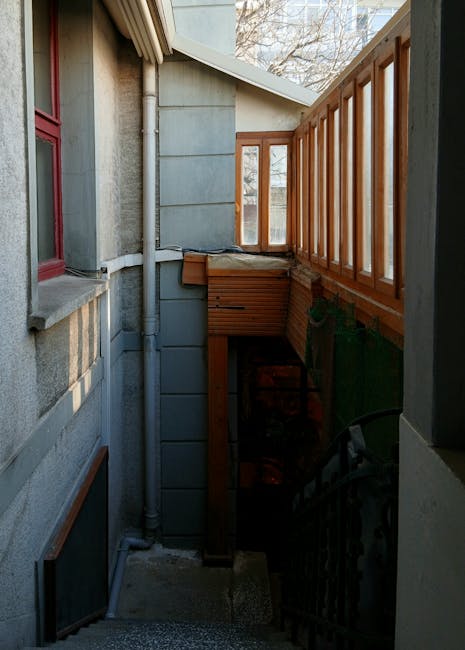
Narrow Staircase Moves in Camberwell: Practical Solutions
Posted on 18/06/2026

Moving through a tight stairwell can turn a straightforward move into a slow, awkward puzzle. If you live in a Camberwell flat, maisonette, or converted Victorian property, you may already know the feeling: one wrong angle, a scratched wall, and a sofa that suddenly looks twice its size. Narrow Staircase Moves in Camberwell: Practical Solutions are all about planning smarter, protecting your home, and moving items safely without unnecessary stress. In this guide, we'll walk through the real-world methods that make these tricky moves manageable, from preparation and handling techniques to equipment choices and when to bring in extra help.
Whether you are shifting a few bulky items or planning a full property move, the good news is that narrow stairs do not automatically mean chaos. They do mean you need a better plan. And frankly, that is where most headaches are avoided.
Why Narrow Staircase Moves in Camberwell: Practical Solutions Matters
Narrow staircases are not just inconvenient; they change the whole moving strategy. In Camberwell, where many homes have compact hallways, steep stair runs, awkward turns, and older timber banisters, the route between the front door and the vehicle can be more challenging than the items themselves. That matters because the risk is not limited to the furniture. It includes wall scuffs, broken fittings, strained backs, delays, and sometimes the need to dismantle something on the spot. Nobody wants to be doing that at 7:45 on a wet Wednesday morning.
A good approach reduces those risks before the first box is lifted. It also helps you decide whether an item should be moved whole, partially dismantled, or carried by a different route. For example, a wardrobe might fit if taken apart first, while a mattress often needs a different angle and a second pair of hands. This is why practical stair-move planning is so valuable: it turns guesswork into a sequence.
If you are also trying to manage packing, decluttering, and timing, it helps to think about the move as one connected system. Resources like a proper packing checklist and decluttering before you relocate can make tight-stair moves noticeably easier. Fewer items usually means fewer stair runs. Simple, but true.
How Narrow Staircase Moves in Camberwell: Practical Solutions Works
The basic method is straightforward: measure, clear, protect, lift, and transport in the right order. The details are where the job succeeds or fails. First, you assess the staircase and the item. Then you decide if the object can safely turn on the landing, pass the handrail, or clear the ceiling height. After that, you prepare the route with padding and a clear floor path.
In practice, there are a few common approaches. Sometimes the best option is a careful two-person carry with the item tilted at an angle. Sometimes it is smarter to remove legs, doors, drawers, or shelves first. And sometimes the safest route is to stop trying to force a bad fit and choose a different plan, such as temporary storage or a specialist move for difficult pieces. That is not failure. That is judgement.
For heavier or more delicate items, the technique becomes even more important. A piano, for example, is not just heavy; it is structurally sensitive, awkward to hold, and easy to damage if the weight shifts. The same goes for some white goods and solid wood furniture. If you want a deeper look at handling weight more safely, heavy lifting techniques and ergonomic lifting principles are useful background reading.
To be fair, many stair moves go smoothly because the movers spend more time preparing than lifting. That is the bit people often skip.
Key Benefits and Practical Advantages
When narrow staircase moves are handled properly, the benefits are immediate and quite tangible.
- Less damage to the property - walls, bannisters, light fittings, and floors are protected before anything gets moved.
- Lower risk of injury - fewer awkward lifts and fewer desperate last-second shuffles on the stairs.
- Faster execution - a well-planned move usually takes less time than repeated trial and error.
- Better protection for furniture - blankets, covers, and the right carrying angle help prevent knocks and tears.
- More control on the day - you know what is moving first, what needs dismantling, and what should wait.
There is also a mental benefit that is easy to overlook. When the stair route feels under control, the whole move feels calmer. That matters, especially if you are juggling keys, utility cut-offs, children, pets, or a narrow time window. A controlled plan cuts the noise, literally and emotionally.
If you are looking at move support more broadly, it can help to compare broader options such as local removals support in Camberwell, flat removals, or man and van help. Different homes need different levels of help, and narrow stairs often push the decision in one direction or another.
Who This Is For and When It Makes Sense
These solutions make sense for a wide range of people, not just those moving a huge sofa. In Camberwell, they are especially useful if you live in a top-floor flat, a converted terrace, a maisonette with a tight landing, or a property with older stairs that twist in a way no one planned for.
It is also relevant if you are:
- moving furniture into or out of a flat with a small stairwell
- transporting a bed, wardrobe, desk, or chest of drawers
- handling fragile or high-value items that should not be bumped
- working to a same-day deadline
- managing a student move where access is limited and time is tight
Students and renters often discover the problem late, usually when a sofa is already on the pavement and everyone is suddenly standing very still. If that sounds familiar, you might find the guidance on student removals in Camberwell and student flat moving tips especially useful.
It also makes sense when your move includes an item with awkward dimensions rather than huge weight. A dining chair with a wide backrest can be harder in a narrow stairwell than a heavier box. Funny, but true.
Step-by-Step Guidance
Here is a practical process you can follow without overcomplicating things.
- Measure the stairwell and the item. Check width, landing space, ceiling height, and the item's widest point. Don't just eyeball it. Eyeballing is how people end up muttering on the stairs.
- Clear the route. Remove shoes, mats, pictures, fragile ornaments, and anything that may catch a toe or a corner.
- Protect walls and banisters. Use padding, blankets, or corner protection where needed.
- Decide whether to dismantle. Take off legs, doors, shelves, handles, and loose parts if that makes the move safer.
- Pack the item properly. Wrap edges, secure moving parts, and avoid loose straps or dangling bits.
- Assign roles before lifting. One person leads, one supports, and one spots if space is very tight.
- Use the right angle. Tilt items only as far as needed. Over-tilting can cause slips, especially on narrow turns.
- Move slowly on landings. Landings are where most awkward pauses happen. Take them seriously.
- Stop if the fit is wrong. If the item jams, reassess instead of forcing it.
- Check the property after the move. Look for scuffs, missing fittings, or damage before you move on.
A lot of people ask whether they should wrap everything in advance. The short answer: for stair moves, yes, at least the exposed edges and surfaces. You do not want the first contact to be with painted plaster.
For moving larger home items, the broader advice in furniture removals in Camberwell and bulky item pickup tips can help you judge whether a piece is likely to need dismantling or special handling.
Expert Tips for Better Results
Small details make a surprisingly big difference with narrow stairs. In our experience, the best moves look almost boring from the outside because all the problem-solving happened earlier.
Use proper gloves. They improve grip and give you a bit more confidence when handling smooth or heavy items. That said, gloves are not a magic trick. Grip still matters.
Keep the lead carrier quiet and focused. Clear instructions like "tilt now," "pause," and "two more steps" reduce confusion. Shouting usually makes the landing feel smaller somehow.
Protect the floor as well as the walls. Narrow staircases often come with worn carpet or polished timber that can become slippery. A small amount of floor protection can save a lot of bother later.
Move one difficult item at a time. Don't stack small boxes around a bulky lift. It looks efficient until someone loses footing.
Choose the right time of day. If there is a busy street outside or tight parking, early or mid-morning can be less stressful. This links directly with access planning, and parking and access advice for Camberwell routes can be handy if the vehicle space is limited.
Have a backup plan. If the staircase fit is impossible, be ready to pause the move, remove more parts, or divert the item to temporary storage. A sensible pause beats a broken bannister. Every time.
If you are short on time, a same-day removals option may also help, especially when the job needs fast coordination rather than a long drawn-out morning.

Common Mistakes to Avoid
The biggest mistakes are usually not technical. They are judgement mistakes.
- Skipping measurements and assuming the item will "probably fit".
- Forcing an item round a turn instead of stopping to reset the angle.
- Not protecting the route and then being surprised by scuffs.
- Using too few people for something clearly awkward or heavy.
- Leaving loose doors, drawers, or bolts in place during the lift.
- Rushing the landing because the first few steps felt fine.
- Ignoring fatigue when the move has already taken longer than expected.
One of the more common realities is that people try to save time by avoiding dismantling, then spend far longer wrestling the object upstairs. Not ideal. If you can remove a door in five minutes and make the carry safer, that is usually the better call.
For timing and planning, this is where a broader moving guide such as moving house without the usual stress can help you keep the whole day under control, not just the staircase.
Tools, Resources and Recommendations
You do not need a warehouse full of kit, but a few items make narrow stair moves much easier.
- Moving blankets or furniture covers for surface protection
- Ratchet straps or strong securing straps for stabilising loads in the van
- Gloves with decent grip for better handling
- Dolly or sack truck where the item and route allow it
- Furniture sliders for the transition between rooms and hallways
- Protective floor coverings for carpet, wood, or stone surfaces
- Basic tools for dismantling furniture parts quickly and safely
For packing support, it is worth looking at packing and boxes in Camberwell if you want your smaller items organised before the heavy lifting begins. Clean packing helps more than people expect, especially when stairs are tight and visibility is poor.
If you are moving appliances or need to store part of the move, these guides can be practical too: bed and mattress transportation and storage solutions in Camberwell. Sometimes breaking the job into stages is the least dramatic option, and the best one.
Law, Compliance, Standards, or Best Practice
For a move like this, the most relevant expectations are practical rather than highly legalistic. In the UK, people involved in handling furniture and belongings should take reasonable care to avoid injury and damage. That means using sensible lifting techniques, planning the route, and not trying to carry loads that are clearly unsafe for the people involved.
Good moving practice also includes respecting property access, keeping communal areas clear, and being mindful of neighbours in shared buildings. In a Camberwell flat block, that can mean managing noise, avoiding blocked stairwells, and keeping the route tidy while you work. It sounds basic, but it really matters in real buildings, not just on paper.
If you are using a professional service, it is reasonable to ask how they handle safety, damage prevention, and insured transport. Pages such as insurance and safety and health and safety policy are the kind of place you would expect to see those commitments set out plainly.
Also worth remembering: clear terms, secure payments, and honest communication are part of best practice too. If you want to understand the basics, payment and security information and terms and conditions are useful to review before you book anything.
Options, Methods, or Comparison Table
There is no single right way to handle a narrow staircase move. The best method depends on the item, the staircase, and the pressure of the day.
| Method | Best for | Strengths | Limitations |
|---|---|---|---|
| Two-person manual carry | Moderate furniture, boxed items, short stair runs | Simple, flexible, often quickest for smaller loads | Less suitable for very heavy or fragile items |
| Dismantle and reassemble | Wardrobes, bed frames, desks, large shelving | Reduces size and turning problems | Needs tools and careful labelling of parts |
| Specialist handling | Pianos, antiques, oversized or high-value pieces | Safer for complex lifts and sensitive items | May need more planning and a wider budget |
| Temporary storage first | Multi-day moves, delayed completion, space constraints | Removes pressure from the staircase move itself | Creates an extra stage in the process |
If your move includes a piano or similar specialist piece, it is usually worth reviewing piano removals in Camberwell and the related advice on safe piano moving. Those items tend to punish shortcuts pretty quickly.
Case Study or Real-World Example
Imagine a second-floor Camberwell flat with a narrow staircase, a sharp turn halfway up, and a sofa that looked perfectly manageable in the shop. Once it reaches the doorway, though, the sofa's width starts to become a problem. The movers pause, measure the route, remove the feet, and wrap the arms with blankets. That small delay changes everything.
Instead of forcing the sofa around the corner, they tilt it slightly, bring it up in stages, and use the landing as a reset point. The person below supports the weight and watches the lower edge; the person above guides the angle and keeps the item away from the banister. It takes a few careful minutes, a bit of breath-holding, and one small joke about "how can one sofa be so determined?", but the sofa arrives intact. No scuffs. No drama.
That is the core of narrow staircase moving done properly. Not heroic effort. Sensible adjustments.
In moves like this, the broader service mix can matter too. A homeowner might combine a careful furniture move with house removals support, while someone with a smaller move may only need man with a van help. Matching the service to the building keeps the move from becoming unnecessarily complicated.
Practical Checklist
Use this checklist before lifting anything onto a narrow staircase.
- Measure the staircase width, landing space, and item dimensions
- Check for low ceilings, tight turns, and awkward handrails
- Clear the route from front door to moving vehicle
- Protect walls, banisters, and flooring
- Dismantle any item that can be safely broken down
- Wrap corners, glass, and painted surfaces
- Confirm how many people are needed for the lift
- Assign one person to lead and one to spot
- Prepare tools, straps, tape, and protective covers
- Plan the vehicle loading order before the first carry
- Leave a little time buffer for unexpected adjustments
- Check both the property and the item once the move is finished
If the move is happening under time pressure, you may also want to consider fast moving options for last-minute Camberwell moves. Time pressure makes narrow stairs feel narrower. That is just how it goes.
Get a free quote today and see how much you can save.
Conclusion
Narrow staircase moves in Camberwell are rarely about brute strength. They are about planning, positioning, protection, and the willingness to slow down at the right moment. Once you treat the staircase as part of the move rather than a problem to get through, the whole process becomes more manageable. Safer too.
That is the real practical solution: think ahead, measure properly, protect the route, and choose the right moving method for the item in front of you. If the job is awkward, that does not mean it is impossible. It just means it needs a cleaner plan and maybe one more set of hands.
And honestly, when a tight stairwell move goes well, there is a quiet satisfaction to it. One box, one corner, one careful step at a time.